The Limitations of Off-the-Shelf Solutions
Commercial off-the-shelf (COTS) software serves many organizations well, providing proven functionality at predictable costs. However, as businesses grow and their needs become more specialized, generic solutions reveal their limitations. Standard software forces you to adapt your processes to match the tool's capabilities rather than the other way around. This constraint can hinder innovation, create inefficiencies, and prevent you from leveraging your unique competitive advantages.
Every business has distinctive workflows, data structures, and customer interactions that set it apart from competitors. Off-the-shelf software, designed to serve the broadest possible market, cannot accommodate these unique characteristics without significant customization. Even when vendors offer configuration options, you're still constrained by the fundamental architecture and assumptions built into the product.
When Custom Software Makes Sense
Custom software development represents a significant investment, and it's not the right choice for every situation. Understanding when custom development delivers value helps you make informed decisions about where to invest your technology budget.
Unique Business Processes
If your competitive advantage stems from proprietary processes or methodologies that standard software cannot support, custom development enables you to codify and scale these differentiators. Rather than forcing your unique approaches into generic tools, build software that enhances and amplifies what makes your business special.
Integration Requirements
Organizations typically use multiple systems for different functions—CRM, ERP, inventory management, analytics, and more. When these systems don't communicate effectively, data silos emerge, manual data entry proliferates, and opportunities for automation disappear. Custom software can bridge these gaps, creating seamless data flow and unified user experiences across your technology ecosystem.
Scalability Constraints
As your business grows, off-the-shelf solutions may not scale cost-effectively. Licensing fees often increase dramatically with user count or transaction volume. Custom software, once built, scales more economically because you're not paying per-user fees to vendors. For high-growth organizations, this economic advantage can be substantial.
Data Ownership and Control
With SaaS products, your critical business data resides on vendor servers, subject to their security practices, availability guarantees, and data retention policies. Custom software deployed on your infrastructure gives you complete control over your data, its security, and its availability. For organizations in regulated industries or those handling sensitive information, this control may be essential.
The Custom Development Process
Successful custom software projects follow a structured process that balances planning with flexibility, ensuring that the final product meets business needs while accommodating evolving requirements.
Discovery and Requirements Gathering
Every successful project begins with thorough discovery. This phase involves understanding your business objectives, current pain points, existing systems, and future growth plans. Engage stakeholders across the organization—not just executives, but the people who will use the software daily. Their insights reveal practical requirements that might otherwise be overlooked.
Document both functional requirements (what the system must do) and non-functional requirements (performance, security, scalability, usability). Prioritize features using frameworks like MoSCoW (Must have, Should have, Could have, Won't have) to ensure that development focuses on delivering maximum value within budget and timeline constraints.
Architecture and Design
With requirements defined, architects design the technical foundation that will support your application. This includes selecting appropriate technologies, designing data models, defining system interfaces, and establishing security frameworks. Good architecture balances immediate needs with future flexibility, avoiding over-engineering while ensuring the system can evolve as requirements change.
Consider architectural patterns that support your specific needs. Microservices architecture provides flexibility and scalability for complex applications. Event-driven architecture enables real-time processing and loose coupling between components. Serverless architectures reduce operational overhead for certain workloads. The right choice depends on your specific requirements, team capabilities, and operational constraints.
Agile Development
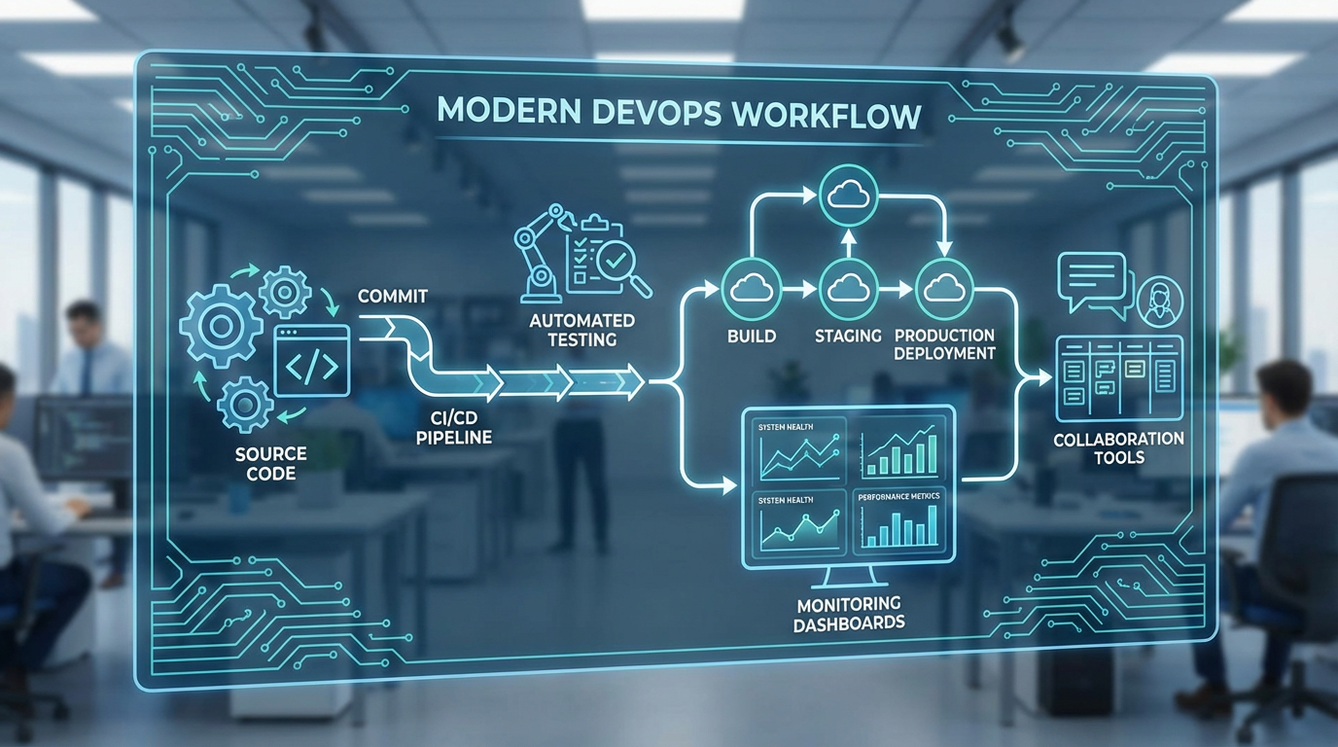
Modern custom software development typically follows agile methodologies, delivering working software in short iterations rather than attempting to build everything at once. This approach provides several advantages: stakeholders see progress regularly, requirements can evolve based on feedback, and risks are identified and addressed early.
Each iteration (sprint) delivers potentially shippable functionality. Regular demonstrations keep stakeholders engaged and ensure that development remains aligned with business needs. When requirements change—and they always do—agile processes accommodate these changes without derailing the entire project.
Testing and Quality Assurance
Quality cannot be tested in at the end; it must be built in from the start. Implement automated testing at multiple levels: unit tests verify individual components, integration tests ensure components work together correctly, and end-to-end tests validate complete user workflows.
Beyond automated testing, conduct user acceptance testing (UAT) where actual users validate that the software meets their needs. Their feedback often reveals usability issues or missing features that weren't apparent during development. Address these findings before launch to ensure user adoption and satisfaction.
Technology Stack Selection
Choosing the right technologies for your custom software impacts development speed, long-term maintainability, scalability, and the availability of developers who can work on the system. Make these decisions strategically, considering both immediate and long-term implications.
Programming Languages and Frameworks
Select languages and frameworks based on your specific requirements, team expertise, and ecosystem maturity. For web applications, JavaScript frameworks like React, Vue, or Angular provide rich user experiences. Python excels for data-intensive applications and machine learning integration. Java and C# offer enterprise-grade reliability and extensive libraries for complex business logic.
Consider the availability of developers proficient in your chosen technologies. Selecting obscure or declining technologies may save costs initially but create hiring and maintenance challenges later. Mainstream technologies with active communities provide better long-term support and easier talent acquisition.
Database Selection
Your data model and access patterns should drive database selection. Relational databases like PostgreSQL and MySQL provide ACID guarantees and powerful query capabilities for structured data. NoSQL databases like MongoDB offer flexibility for evolving schemas and horizontal scalability. Graph databases excel for highly connected data. Many applications benefit from polyglot persistence, using different database types for different data needs.
Cloud vs. On-Premise
Cloud platforms like AWS, Azure, and Google Cloud provide scalability, reliability, and reduced operational overhead. They enable you to focus on application development rather than infrastructure management. However, for organizations with existing data center investments, regulatory constraints, or specific performance requirements, on-premise deployment may be preferable.
Hybrid approaches combine cloud and on-premise infrastructure, keeping sensitive data on-premise while leveraging cloud services for scalability and advanced capabilities. This flexibility allows you to optimize for both control and efficiency.
Managing Development Costs
Custom software development requires significant investment. Understanding cost drivers and implementing strategies to maximize value helps ensure positive return on investment.
Fixed Price vs. Time and Materials
Fixed-price contracts provide budget certainty but require extremely detailed requirements upfront and limit flexibility to accommodate changing needs. Time and materials contracts offer more flexibility but less cost predictability. Many successful projects use a hybrid approach: fixed price for well-defined components, time and materials for areas where requirements may evolve.
Minimum Viable Product (MVP)
Rather than building complete functionality upfront, start with an MVP that delivers core value with minimal features. This approach reduces initial investment, enables faster time to market, and provides real-world feedback that informs subsequent development. Once the MVP proves its value, expand functionality based on actual user needs rather than assumptions.
Offshore vs. Nearshore vs. Onshore Development
Development team location significantly impacts costs. Offshore teams in countries with lower labor costs can reduce development expenses substantially. However, time zone differences, communication challenges, and cultural gaps can complicate collaboration. Nearshore teams offer cost savings with better time zone alignment. Onshore teams provide easiest collaboration but highest costs. The right choice depends on your project complexity, budget, and communication requirements.
Post-Launch Considerations
Launching your custom software isn't the end of the journey—it's the beginning of the operational phase that determines long-term success.
Maintenance and Support
All software requires ongoing maintenance to fix bugs, address security vulnerabilities, and ensure compatibility with evolving platforms and dependencies. Budget for maintenance as a percentage of initial development cost—typically 15-20% annually. Establish clear support processes so users know how to report issues and request enhancements.
Continuous Improvement
User needs evolve, markets change, and new opportunities emerge. Treat your custom software as a living product that grows with your business. Collect user feedback, monitor usage analytics, and maintain a prioritized backlog of enhancements. Regular updates keep the software relevant and maximize its value to your organization.
Documentation and Knowledge Transfer
Comprehensive documentation ensures that your software remains maintainable as team members change. Document architecture decisions, API specifications, deployment procedures, and troubleshooting guides. This knowledge base enables new developers to become productive quickly and reduces dependency on specific individuals.
Measuring Success
Define success metrics before development begins and track them after launch. Metrics might include user adoption rates, time savings compared to previous processes, error reduction, revenue impact, or customer satisfaction scores. Regular measurement demonstrates ROI and identifies areas for improvement.
User Adoption
The best software delivers no value if users don't adopt it. Monitor usage patterns, gather user feedback, and address barriers to adoption. Provide training, create user guides, and establish feedback channels that make users feel heard. High adoption rates indicate that the software successfully addresses real needs.
Business Impact
Ultimately, custom software should drive measurable business outcomes. Whether that's increased revenue, reduced costs, improved customer satisfaction, or faster time to market, track the metrics that matter to your organization. Demonstrate this impact to stakeholders to justify continued investment and expansion.
Conclusion
Custom software development offers organizations the opportunity to build solutions perfectly aligned with their unique needs, competitive advantages, and growth trajectories. While it requires significant investment and carries inherent risks, the potential rewards—in efficiency gains, competitive differentiation, and scalability—can be transformative.
Success requires clear vision, stakeholder engagement, experienced development partners, and commitment to ongoing evolution. When approached strategically, custom software becomes a strategic asset that grows more valuable over time, adapting to your changing needs and enabling capabilities that off-the-shelf solutions simply cannot provide.